
RAMADAN IS NOT A FOOD FESTIVAL
The Iftar Mistakes Muslim Women Must Stop Making
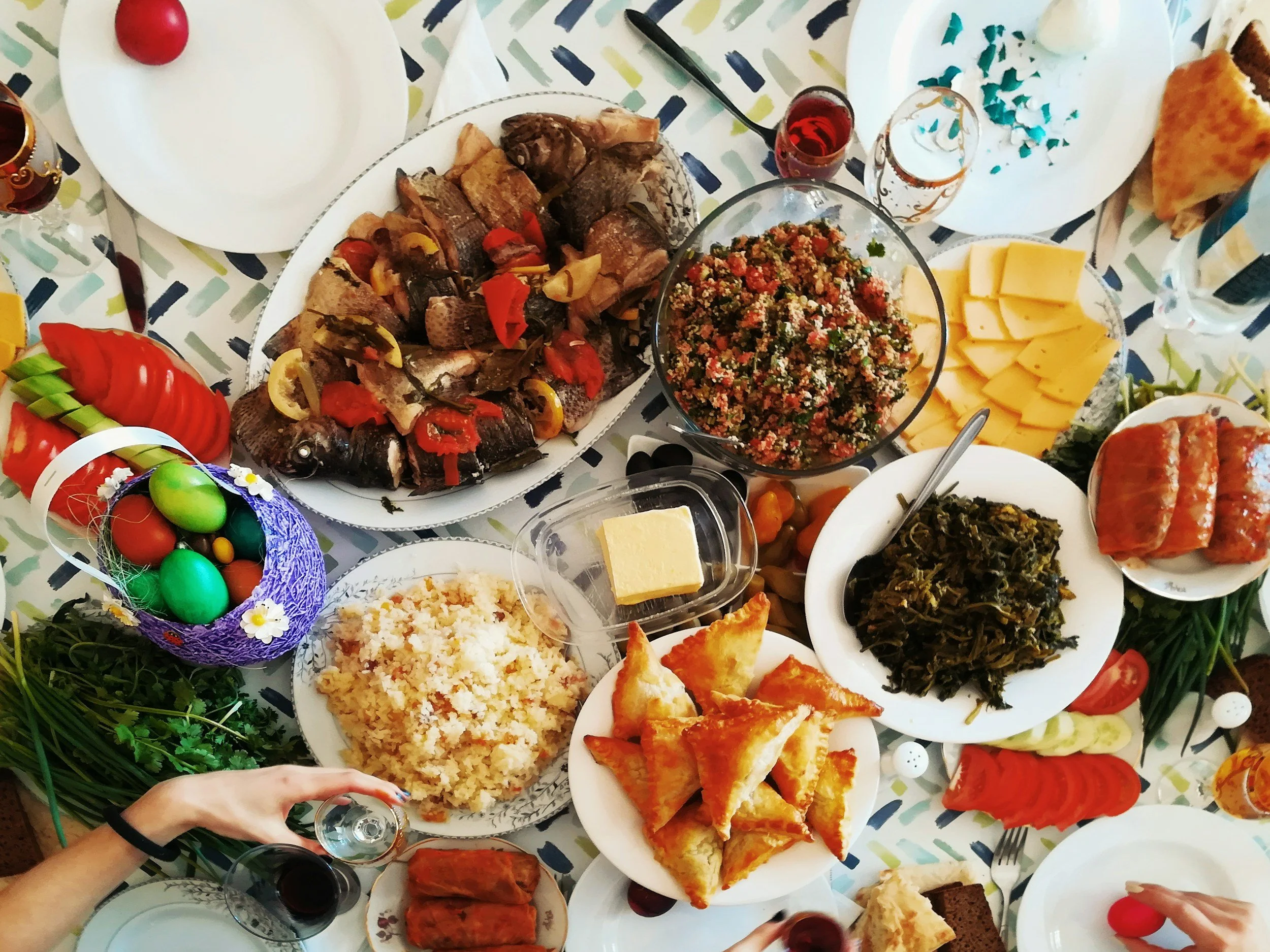
Ramadan was never meant to leave women exhausted, bloated, sluggish, and disconnected from their bodies.
Yet every year, many Muslim women, especially mothers enter Ramadan with sincere intentions… and leave it feeling heavier, more inflamed, and more overwhelmed than when they began.
Not because fasting is harmful. Not because our bodies are weak.
But because what we do at iftar often undoes what fasting is meant to heal.
This isn’t about restriction. This isn’t about diet culture. And this certainly isn’t about perfection.
This is about remembering what Ramadan is actually for and allowing our bodies to benefit from it, not fight against it.
Ramadan Was Never a Food Festival
Somewhere along the way, Ramadan became associated with:
Overloaded iftar tables
Deep-fried foods every night
Heavy desserts after long fasts
Hours in the kitchen before Maghrib
And while generosity, hospitality, and feeding others are beautiful acts of worship turning iftar into a nightly feast comes at a cost, especially for women.
When we eat heavy, fried, ultra-processed foods after fasting all day:
Blood sugar spikes aggressively
Digestion slows
Inflammation increases
Energy crashes
Stomach fat becomes harder to lose
Salah feels heavy instead of grounding
This is not a failure of discipline. It’s a misunderstanding of how the body responds after fasting.
What Fasting Is Actually Doing to Your Body
Even after just a few hours of fasting, your body begins powerful internal work.
Here’s what’s happening quietly beneath the surface:
1. Blood Sugar Stabilisation
Insulin levels drop, allowing your body to switch from sugar-burning to fat-burning.
2. Fat Utilisation (Including Stubborn Belly Fat)
With no incoming food, your body taps into stored energy including visceral fat around the abdomen.
3. Cellular Repair & Regeneration
Fasting triggers autophagy the body’s natural “clean-up” process where damaged cells are repaired and recycled.
4. Mental Clarity & Focus
Inflammation lowers, brain fog reduces, and focus improves when the fast is broken gently.
This is a gift. And it is one Allah سبحانه وتعالى designed with wisdom spiritually and physically.
But this gift can be disrupted within minutes if we break our fast harshly.
The Sunnah Way of Breaking the Fast And Why It Matters
The Prophet ﷺ broke his fast with dates and water, and at times combined dates with water-rich fruits like pomegranate.
It was perfectly aligned with the body’s needs after fasting.
Why dates?
Easily digestible natural sugars
Quick energy replenishment
Rich in potassium, magnesium, and fibre
Which dates are best for energy?
Medjool dates – higher in calories, ideal for sustained energy
Ajwa dates – spiritually significant, gentle on digestion
Deglet Noor – lighter, commonly consumed, less heavy
Dates provide just enough glucose to wake the body up not shock it.
Why water (and water-rich fruits)?
After hours of fasting, dehydration is real.
Water and fruits like:
Pomegranate
Watermelon
Grapes
support hydration, digestion, and nutrient absorption.
This combination prepares your stomach, rather than overwhelming it.
Why Fried & Heavy Iftar Foods Hurt Women the Most
Let’s be honest fried foods at iftar are common.
But they are especially problematic for women’s bodies.
Here’s why:
After fasting, digestion is slower
Fried foods are inflammatory
Oils oxidise at high heat
Hormonal balance is disrupted
Fat storage increases — especially around the stomach
For women already juggling:
Sleep disruption
Stress
Hormonal fluctuations
Postpartum changes
Diastasis recti
Heavy iftars add fuel.
This is why many women feel:
Bloated immediately after iftar
Sluggish in Taraweeh
Heavy during salah
Mentally foggy the next day
Ramadan should support your body not burden it.
Ramadan Is Not the Time to Experiment in the Kitchen
This may be uncomfortable to hear but it needs to be said. Ramadan is not the month to test new recipes every night.
Standing in the kitchen for hours:
Drains energy
Increases stress
Disconnects you from worship
Creates pressure around food
Your children, your family, and those you are feeding do not need elaborate meals.
They need:
Nourishment
Stability
Presence
Energy
Simple food feeds the body. Presence feeds the soul.
What a Nourishing Iftar Should Actually Look Like
A supportive iftar is not complicated.
Think:
Dates + Water
Light soup or water-rich fruit
Balanced main meal:
Protein
Vegetables
Whole-food carbohydrates
Stop before you’re full
This allows:
Energy for salah
Stable blood sugar
Reduced bloating
Better sleep
Sustained fasting energy the next day
Worship Includes Caring for the Body
Fasting is worship. But how we break our fast is part of that worship.
When we nourish our bodies properly:
Salah feels lighter
Focus improves
Energy lasts
Worship deepens
Islam never asked women to burn out. It asked us to live with balance. Ramadan is a month of alignment not excess.
A Final Reminder for Mothers
If you’re a mother reading this:
You are not meant to carry Ramadan alone.
You do not need to:
Overcook
Overfeed
Overperform
You are allowed to:
Keep food simple
Prioritise nourishment
Protect your energy
Honour your body
Ramadan is not a food festival. It is a reset spiritually, mentally, and physically. And when you eat with intention, your body responds with gratitude.
You can make your journey easier by joining our MWM (Muslimah Wellness Membership) where you get everything you need, especially a holding hand, just click HERE and check out more
Best foods to break fast Ramadan.Healthy iftar for women.What to eat at iftar Ramadan.Iftar mistakes Muslim women make.Fasting benefits for women.Sunnah foods for breaking fast.Ramadan nutrition for busy mothers.Why fried food at iftar causes bloating.Best dates to break fast for energy.How fasting burns belly fat women.Ramadan diet for energy and focus.What not to eat at iftar Ramadan